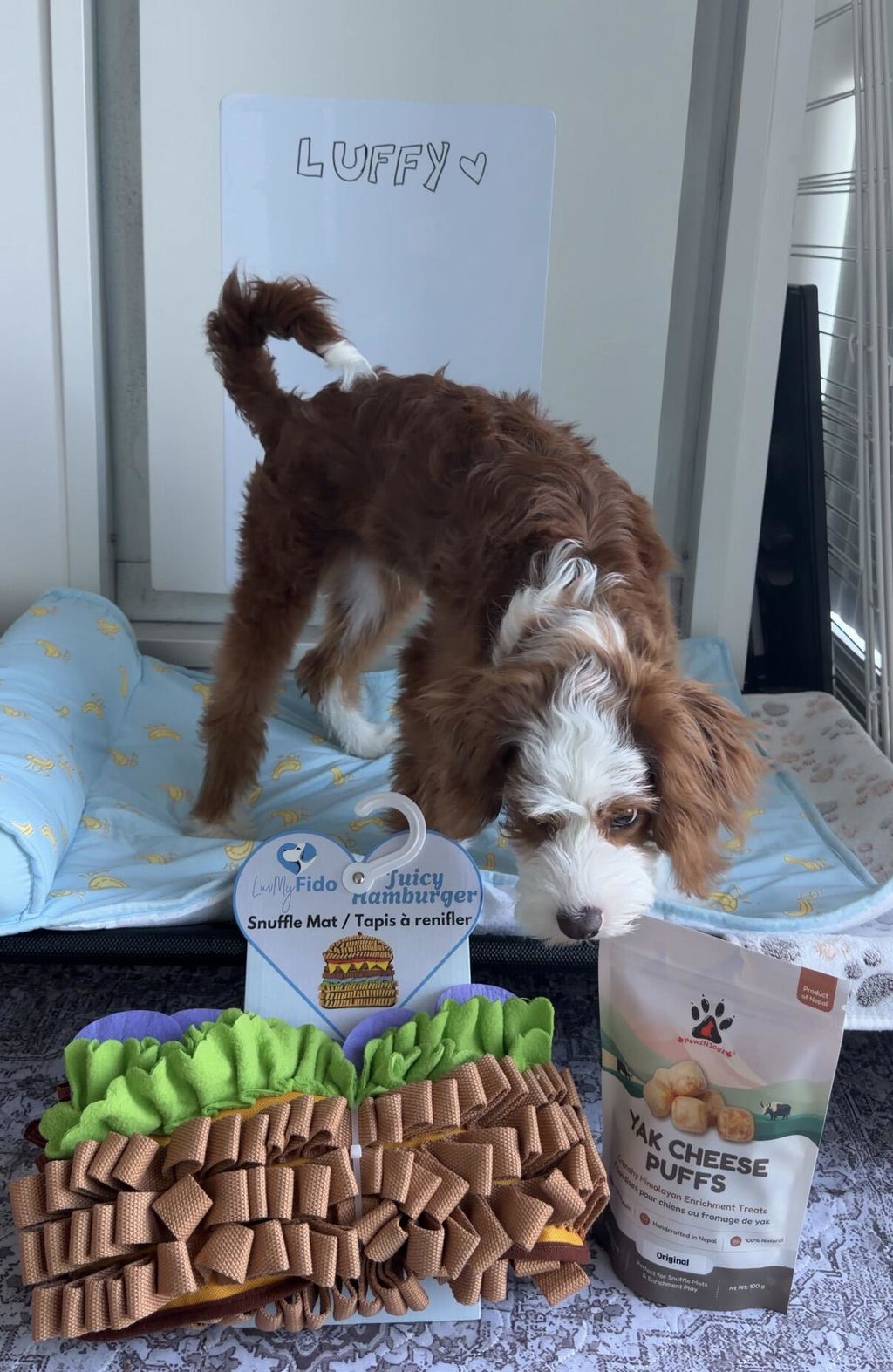
Pet owners want the best for their furry friends. We buy the best food and supplements and look for the best toys. However, there is a lot of confusion about what enrichment actually is. You might think it just means buying new toys or playing fetch, but true enrichment is much more than that. It is about meeting the behavioral needs of an animal.
It involves physical changes and mental challenges that improve the quality of life for your pet. This guide will explore common myths and facts. We will look at expert advice for dogs and specific cat enrichment strategies. We will also cover snuffle mats for dogs, cats and small pets.
What Enrichment Means in a Behavioral Context
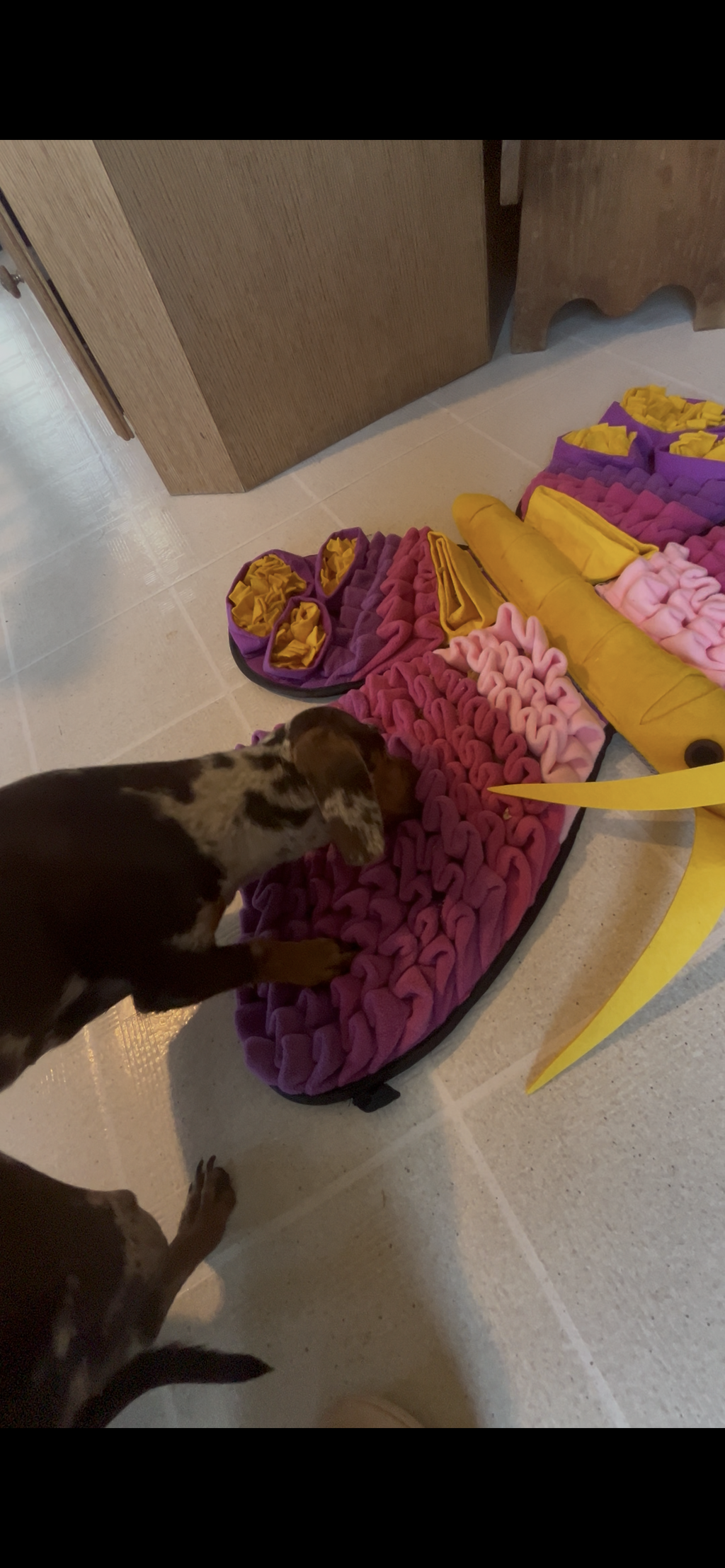
Enrichment is a science-based approach to pet care. It gives animals a chance to express natural behaviors. For a dog, this might mean sniffing or digging. For feline enrichment, it might involve scratching, climbing, or hunting, like in the Fishy Affair snuffle mat.
When animals cannot do these natural things, they get bored. Boredom can lead to stress and bad habits. Enrichment improves animal welfare by preventing this boredom. It makes their environment more interesting and rewarding.
Why Misconceptions About Enrichment Are Common
Many people see cool videos on social media and think that is the only way to do enrichment. They might see a dog running an obstacle course, licking peanut butter in a snuffle mat, or a cat doing tricks. This creates a false image.
People often think enrichment is expensive or time-consuming. They might believe it is only for really smart or active breeds. These myths stop many owners from trying simple things like indoor cat enrichment. The truth is often much simpler and accessible to everyone.
Myth vs Fact Format Overview
Enrichment is not one size fits all. What works for a border collie might scare a shy rescue dog. What works for enrichment for cats might not work for a rabbit. Experts suggest we look at the individual pet. We must consider their environment and their specific history.
The following table breaks down the core differences between what people think and what is actually true.
| Common Myth | The Expert Reality |
| Only high-energy pets need it | All pets need mental health support |
| More toys equal more happiness | Too many choices can cause stress |
| It must involve running or jumping | Calm sniffing is often better |
| Food puzzles cause weight gain | You can use regular meals instead of treats |
| One tool works for every pet | Preferences vary by species and personality |
Myth 1: Enrichment is Only for High Energy Pets
A lot of people believe that if their dog or cat sleeps all day, they’re not in need of enrichment. They think having extra activities is for hyperactive pets or for pets who are just too anxious.
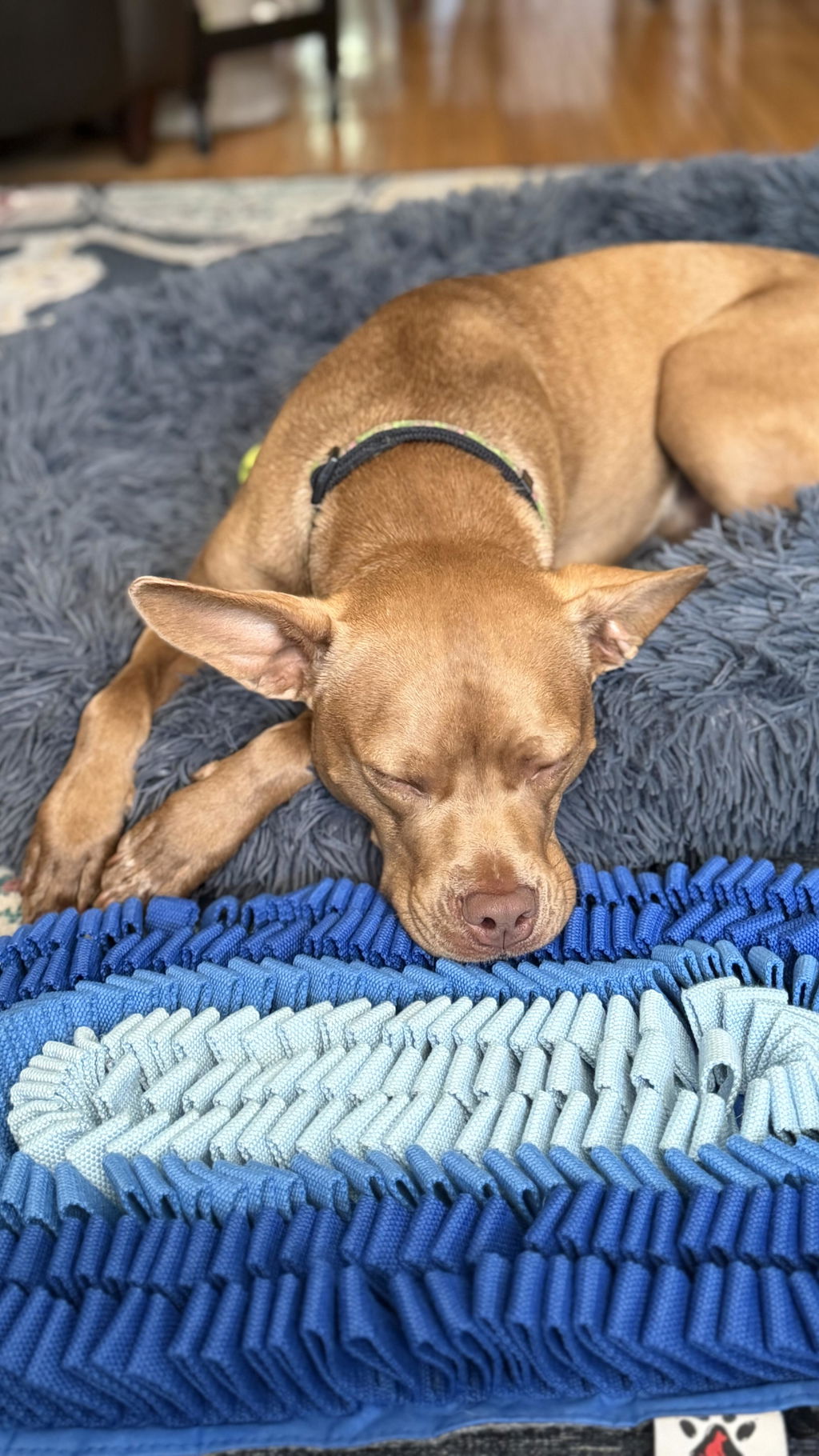
This is not true. Snuffle mats for dogs, cats and small pets are beneficial to anxious and senior (as well as recovering) pets, too. Older pets actually require it to maintain brain sharpness. Small pets need mental stimulation just like big dogs. Products like the Challenger Snuffle Mat can really help with this.
High-energy play can sometimes make a hyper dog even more hyperactive. Calm activities are often better. Tools like a lick mat or a Cat Sniffing Mat can soothe the nervous system. This form of low-arousal activity reduces the heart rate and calms pets. And as for overweight pets, enrichment toys can help them regulate their weight.
Myth 2: More Enrichment Automatically Means a Happier Pet
Some owners pack the room with toys and puzzles. They believe that more is always better.
Overstimulation is real. Too many choices can overwhelm a pet. This is called choice overload. If a pet doesn't know what to do, they may simply shut down or get frustrated.
You want your pet to be focused, but relaxed.
- Healthy Engagement: tail wagging easily, soft eyes, smelling with curiosity.
- Reactive Behavior: barks at the toy, nips aggressively at the toy, or walks away from it altogether.
Myth 3: Enrichment Must Be Physically Active
People believe a tired dog is a good dog. Owners sometimes try to tire their pets out by throwing a ball or going for a run.
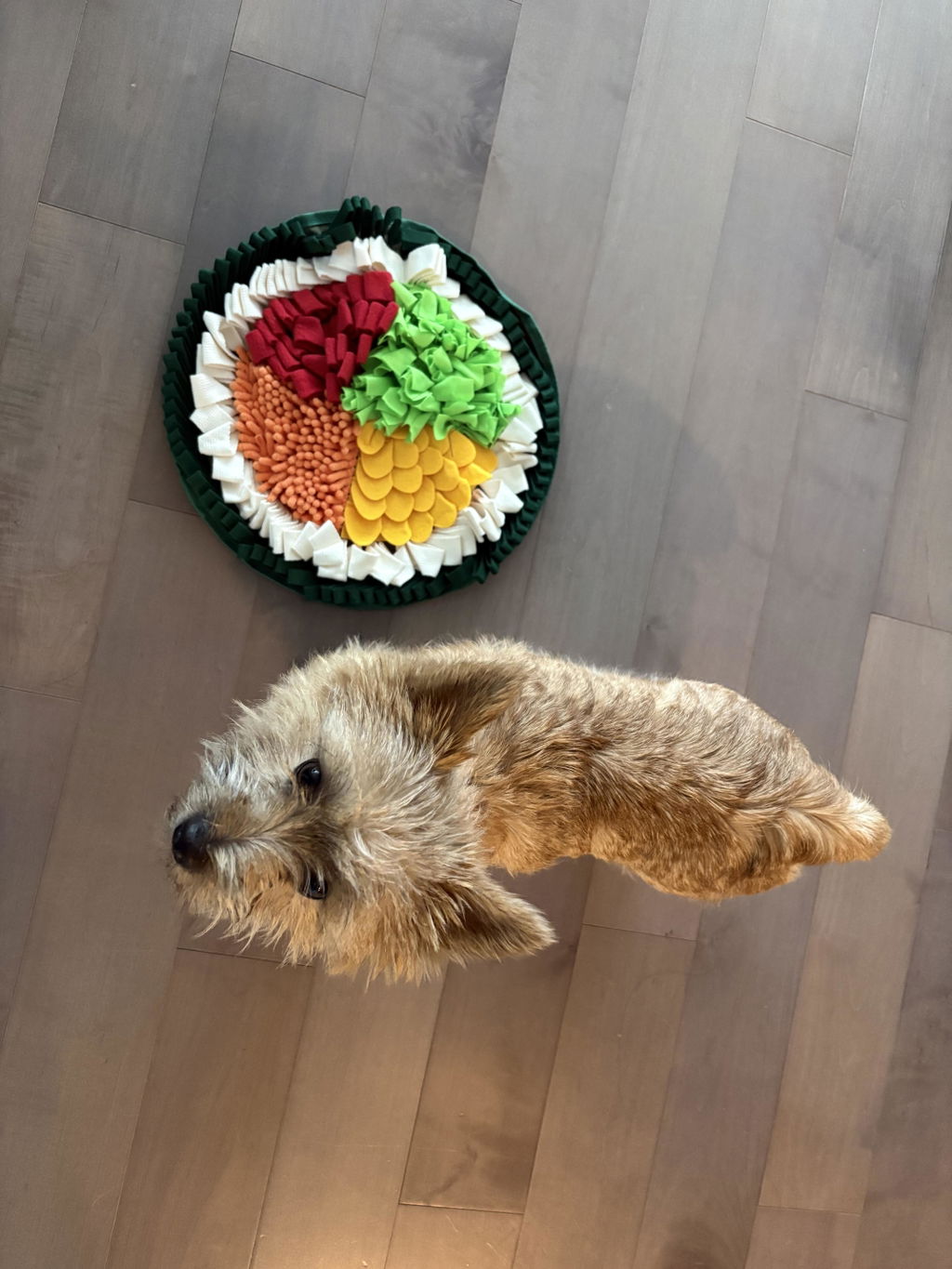
Thinking is harder than physical labor. Scent-based activities are powerful. That’s why experts suggest using snuffle mats for dogs, cats and other small pets. Sniffing uses much of an animal’s brain. For optimal cerebral challenge, try this Forbidden Grapes snuffle mat.
Applications of Silent Enrichment
- Post Surgery Recovery: These are times when a pet must rest, but you want to give them a job and keep them from moving around too much.
- Apartment Living: Indoor cat enrichment can use quiet toys that don’t irritate neighbors.
- Bad Weather: A snuffle mat for cats or dogs works well on rainy days to provide indoor stimulation.
Myth 4: Food-Based Enrichment Leads to Overfeeding
Owners worry that using food puzzles or treat toys will make their pets fat.
Enrichment is not equivalent to extra food. You simply feed them differently. Instead of placing kibble in a bowl, you can use the same portion inside a puzzle toy.
A snuffle mat for cats can help feed an entire meal slowly. The cat has to forage to find each piece of kibble. This encourages slower eating and fulfills their instinct to hunt.
If your pet is on a diet, you can fill snuffle mats with low-calorie vegetables like carrots or green beans. Always count enrichment treats when tracking daily calories.
Myth 5: All Pets Benefit From the Same Enrichment Tools
Individual temperament matters. A bold cat may enjoy a moving electronic toy. A shy cat could be scared of it. Species-specific requirements vary greatly. To know more, explore this blog on species-specific snuffle mats and how they work.
- Guinea Pigs: Enrichment for guinea pigs centres around foraging in hay or safe herbs.
- Rabbits: A rabbit snuffle mat supports natural foraging instincts. Many rabbit toys involve chewing or digging.
- Hamsters: Hamsters need tunnels and deep bedding to burrow. The best enrichment toys support digging habits.
- Ferrets: Homemade ferret enrichment ideas may include tunnels and stashable objects.
If the animal is shy, start with easy wins. Place treats on top of the snuffle mat so they are easy to find. As confidence builds, hide them deeper inside.
Myth 6: Enrichment Replaces Training or Behavior Support
Some people believe that giving a dog a puzzle eliminates the need for training. They expect toys to solve issues like separation anxiety.
Snuffle mats for dogs, cats and small pets are tools, not treatments. They work alongside proper training.
- Separation Anxiety: Give a frozen treat toy before leaving to create positive associations.
- Destructive Chewing: Provide appropriate chew items instead of furniture or shoes.
- Boredom Barking: Enrichment helps reduce attention-seeking behaviors.
Expert Aligned Enrichment Principles
Gradual Introduction
Do not simply toss a new toy and walk away. Show your pet how to use it. Make it easy at first and let them succeed.
Predictable Routines
Animals thrive on routine. Schedule enrichment at consistent times. For example, use feline enrichment toys before starting work so your cat settles calmly.
Observation-Led Adjustments
Watch your pet carefully. If they ignore a toy, adjust the treats or difficulty. Modify based on their reactions.
Safety and Supervision
Always supervise new items. Remove snuffle mats if pets begin chewing or ingesting fabric.
Practical Guidelines for Pet Owners, Shelters & Foster Homes
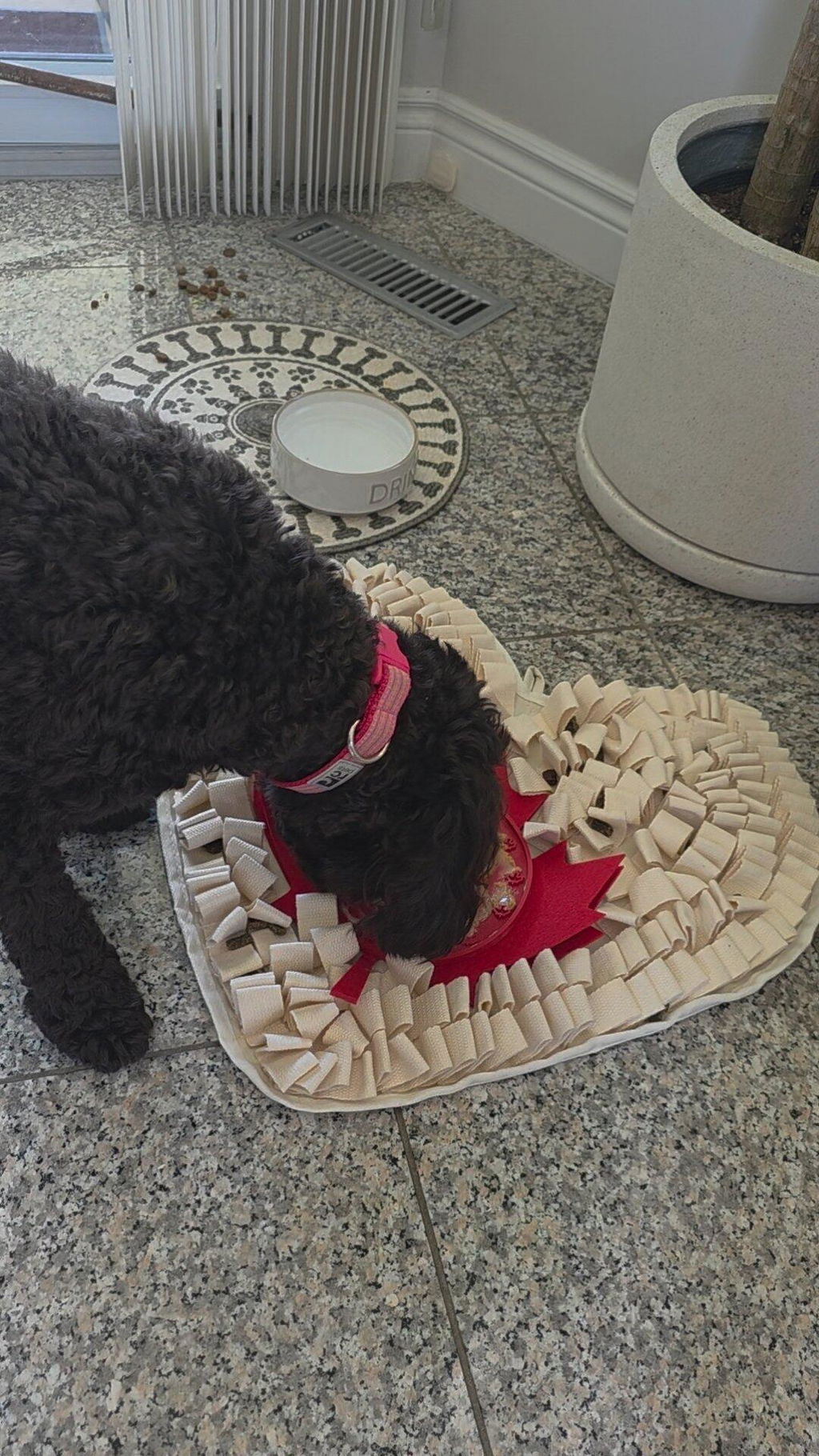
- Encourage sniffing with snuffle mats like the Boundless Love AntiBite DIY snuffle mat.
- Encourage hunting with wand toys or feeder balls.
- Encourage calm behavior with licking mats.
Rotate toys regularly to prevent boredom. Store some away and reintroduce them later to keep enrichment fresh.
When to Reassess an Enrichment Activity
- Whining or distressed vocalizing.
- Aggressive burying of the toy.
- Freezing or stiff body language.
- Resource guarding behaviors.
If these signs appear, reduce difficulty or separate pets during enrichment. If needed, switch activities. Learn more in this guide on 5 signs your dog needs more enrichment.
Conclusion
Real enrichment is about understanding your pet’s natural needs. It is not about expensive gadgets. It is about supporting behaviors like sniffing, scratching, chewing, and exploring.
Tools like snuffle mats for dogs, cats and small pets provide mental stimulation, calm anxious pets, and prevent boredom. If you follow expert advice and avoid common myths, you can build a stronger bond with your furry friend. If you’re unsure which snuffle mat suits your pet, try this easy quiz.