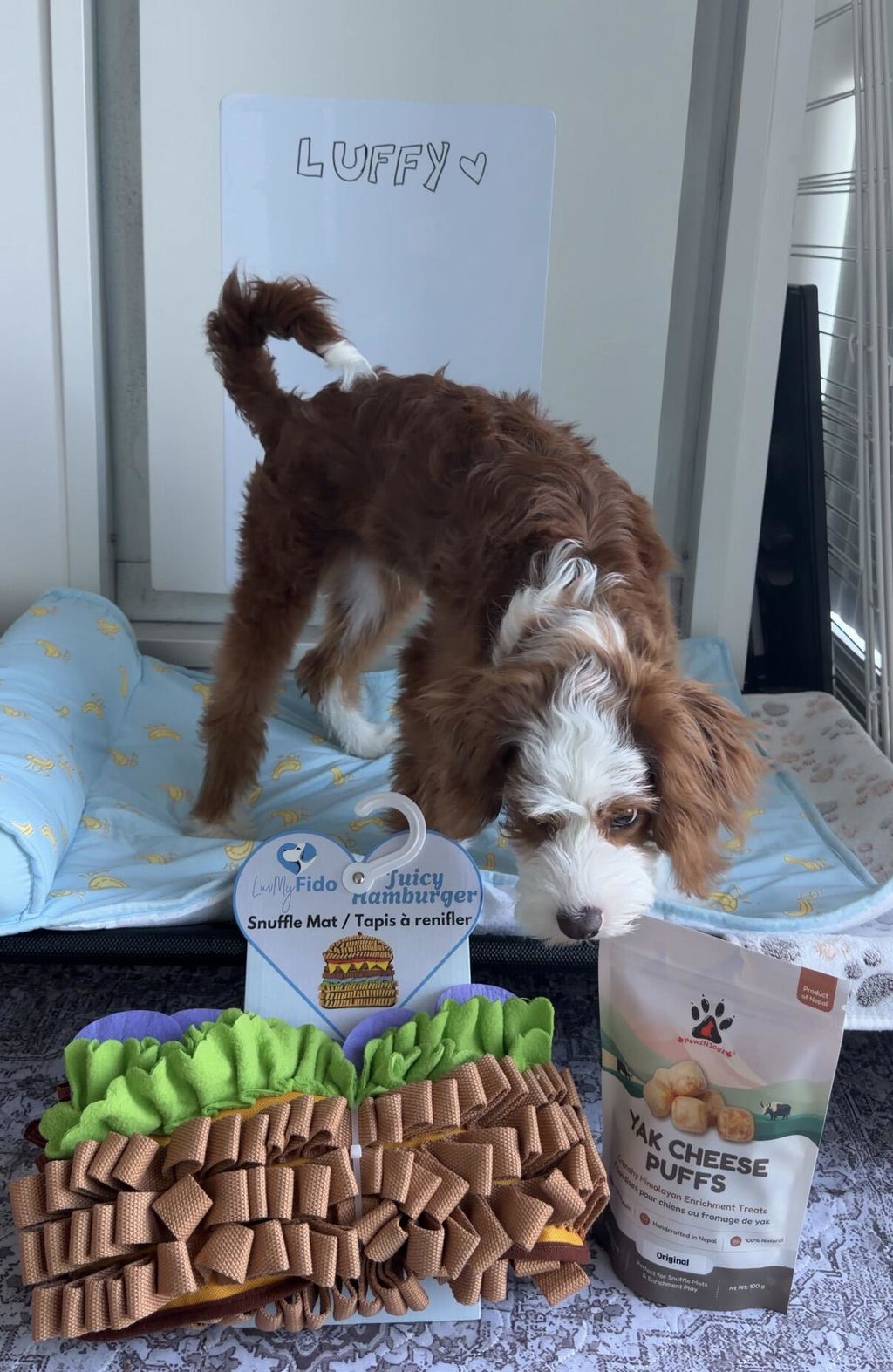
Have you ever come home to discover a chewed-up couch and a bored-looking dog? You're in good company. You know your pup needs walks and cuddles, but what about some mental stimulation? It's where dog enrichment activities come in, and if you know them, you'll berate yourself for not having known them before. Let’s discuss.
What Is Dog Enrichment?
Enrichment is all about giving a dog a chance to use the brain and the instincts – not the legs. Dogs are designed to sniff, forage, chew, and problem solve, and that's what a lot of their modern life doesn't allow them to do. That's where canine enrichment ideas can step in to fill out that space, making ordinary moments not-so-ordinary for your dog's mind.
Why It Matters
Let a dog lose its mind for too long, and he will do his own thing, and that’s where the problem begins. This enrichment allows them a healthier outlet, and the impact is everywhere in their everyday routines:
- Reduced boredom chewing or digging, or barking
- Calmer and more settled nature of the day
- Improved outlets for natural instinct such as sniff and forage
- More connection with your dog through activity
The Benefits of Mental Stimulation for Dogs

The mental stimulation of dogs is not just an extra; it is something that does affect behavior. Provide a dog with daily opportunities to think, sniff, and problem-solve, and watch the difference in how he interacts at home. Let's take a closer look at how that's reflected in practice.
Fewer Boredom-Driven Habits
Dogs who get consistent mental enrichment for dogs tend to bark and chew less out of sheer boredom. If a brain has already been exercised, there's less of a bucket to call out from.
Calmer Days and Faster Wind-Downs
When your brain is happy, so will your veins. Mental exercise for dogs is expected to make them settle down after a long and active day, instead of staying wound up until night falls.
Better Coping With Anxious Moments
Mental work also helps dogs cope better with things like being left alone for short stretches or adjusting to a new routine. A dog who's had the chance to sniff, forage, or work through a puzzle tends to settle into downtime more easily, since that kind of focused mental work naturally takes the edge off restlessness.
What are the Types of Dog Enrichment Activities
Enriching your dog's day isn't just about one activity; a little change can keep your dog interested. There are several main types of dog enrichment activities, and most dogs enjoy a little of them.
Physical Enrichment
Activities that might involve the moving of the body as well as the mind: tug games, fetch, agility-type play.
Sensory Enrichment
Allow your dog to use their nose, which is their most powerful sense, to find scattered treats, scent trails, or a matting for foraging. One of the easiest at-home enrichment activities for your dog to begin.
Cognitive or Puzzle-Based Enrichment
Brain games and toys that require a dog to solve a problem to win a treat.
Social Enrichment
Confidence and connection achieved through positive interactions with people or other dogs.
What are the Best Mental Stimulation Toys for Dogs

Looking for some guidance? These are some of the top mental stimulation toys for dogs, and a combination of these will make a good enrichment.
Puzzle Toys
These ask your dog to slide, nudge, or lift pieces to reveal hidden treats, a great workout for problem-solving skills and one of the more hands-on toys for mental stimulation for dogs.
Lick Mats
Textured mats provide slow and relaxed licking opportunities with soft foods such as yogurt or pumpkin puree spread on the mat. These gentle lick toys for dogs are especially good for anxious pups or settling down after playtime.
Snuffle Mats
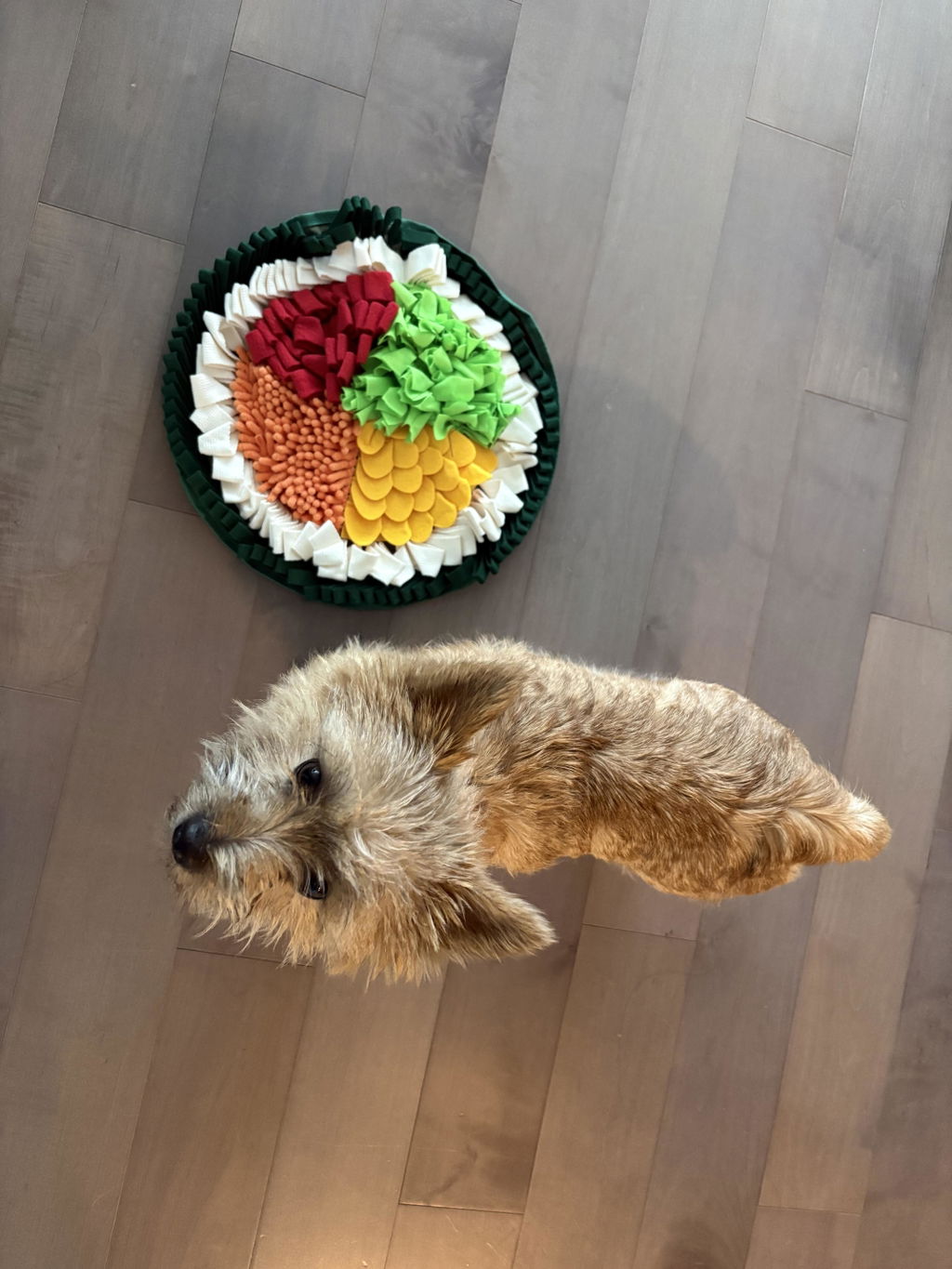
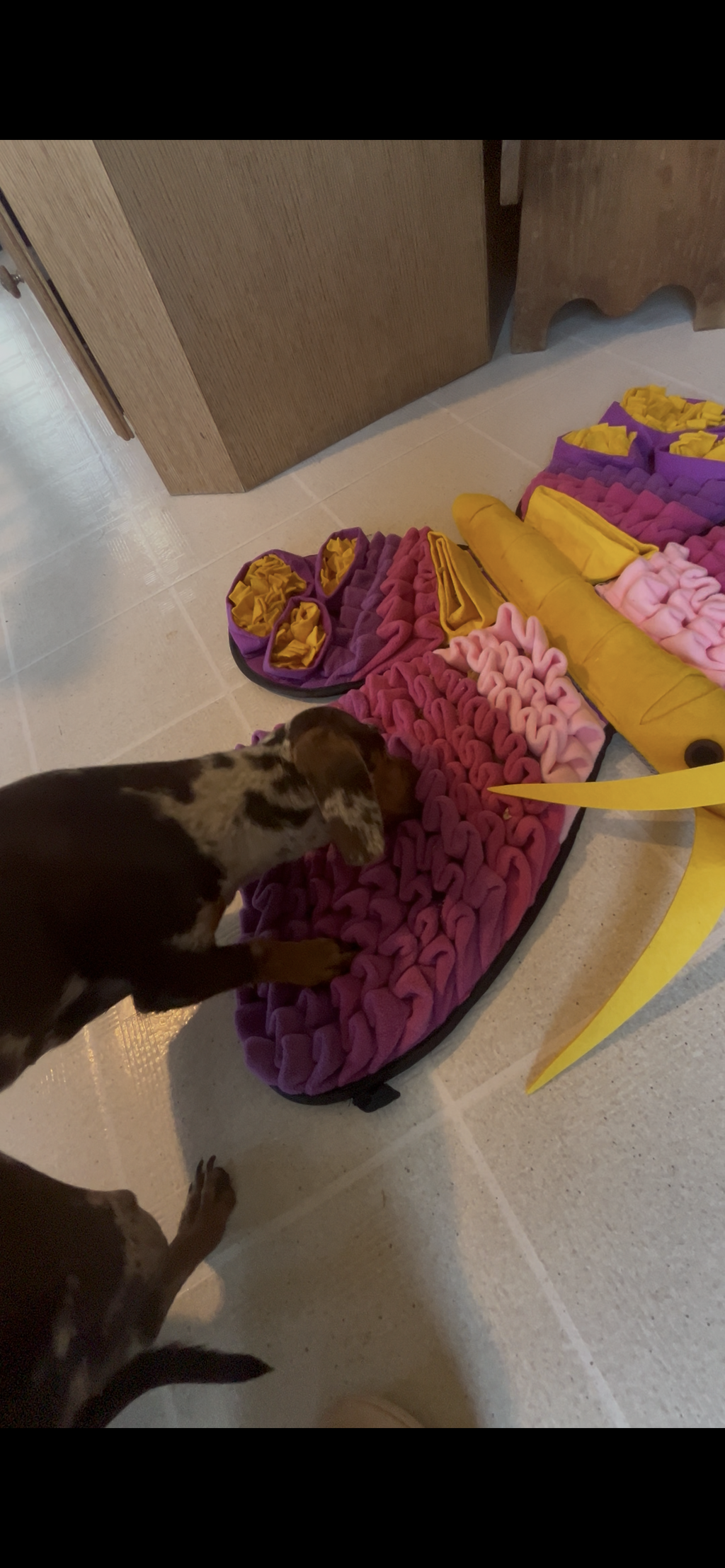
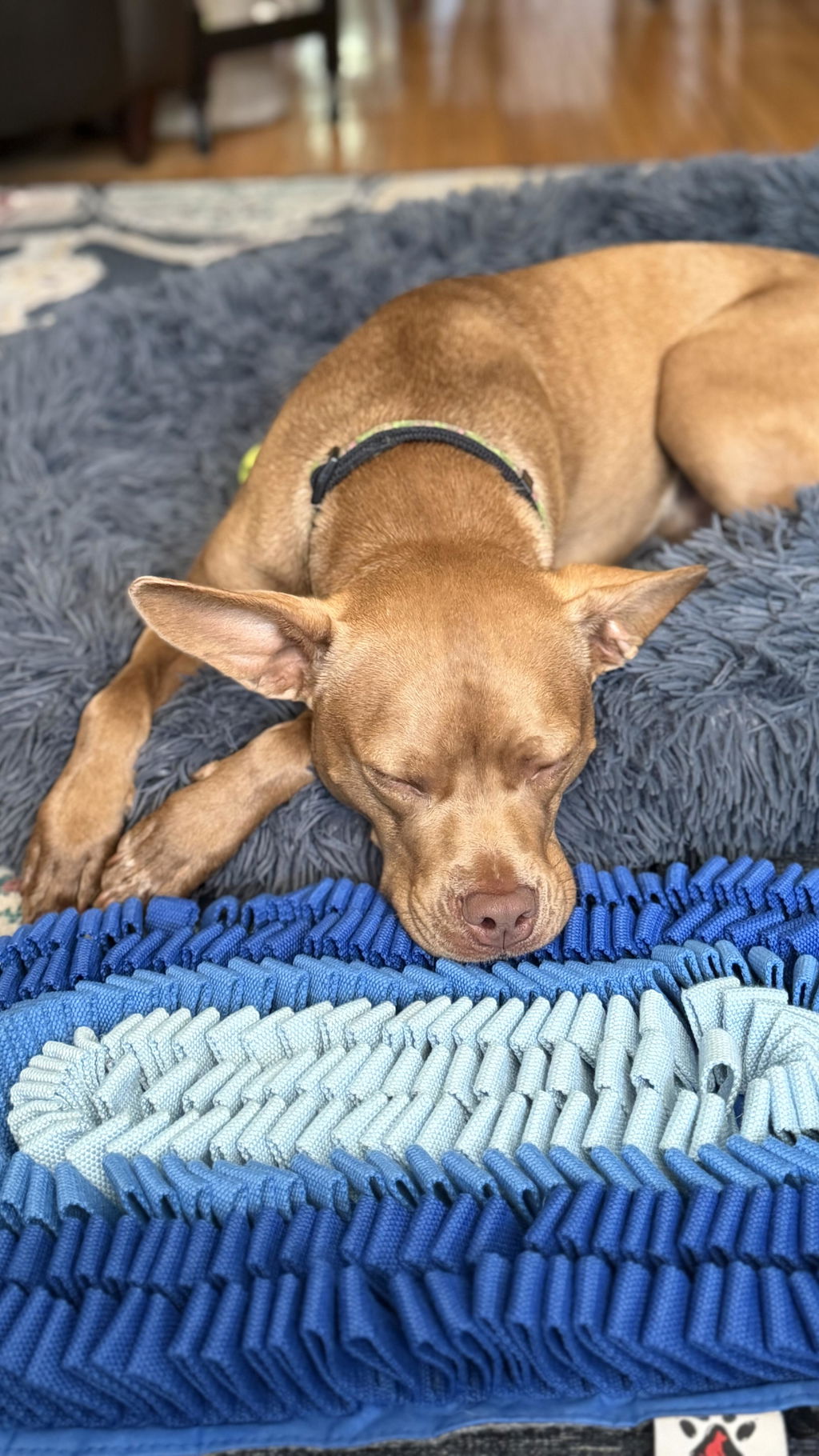
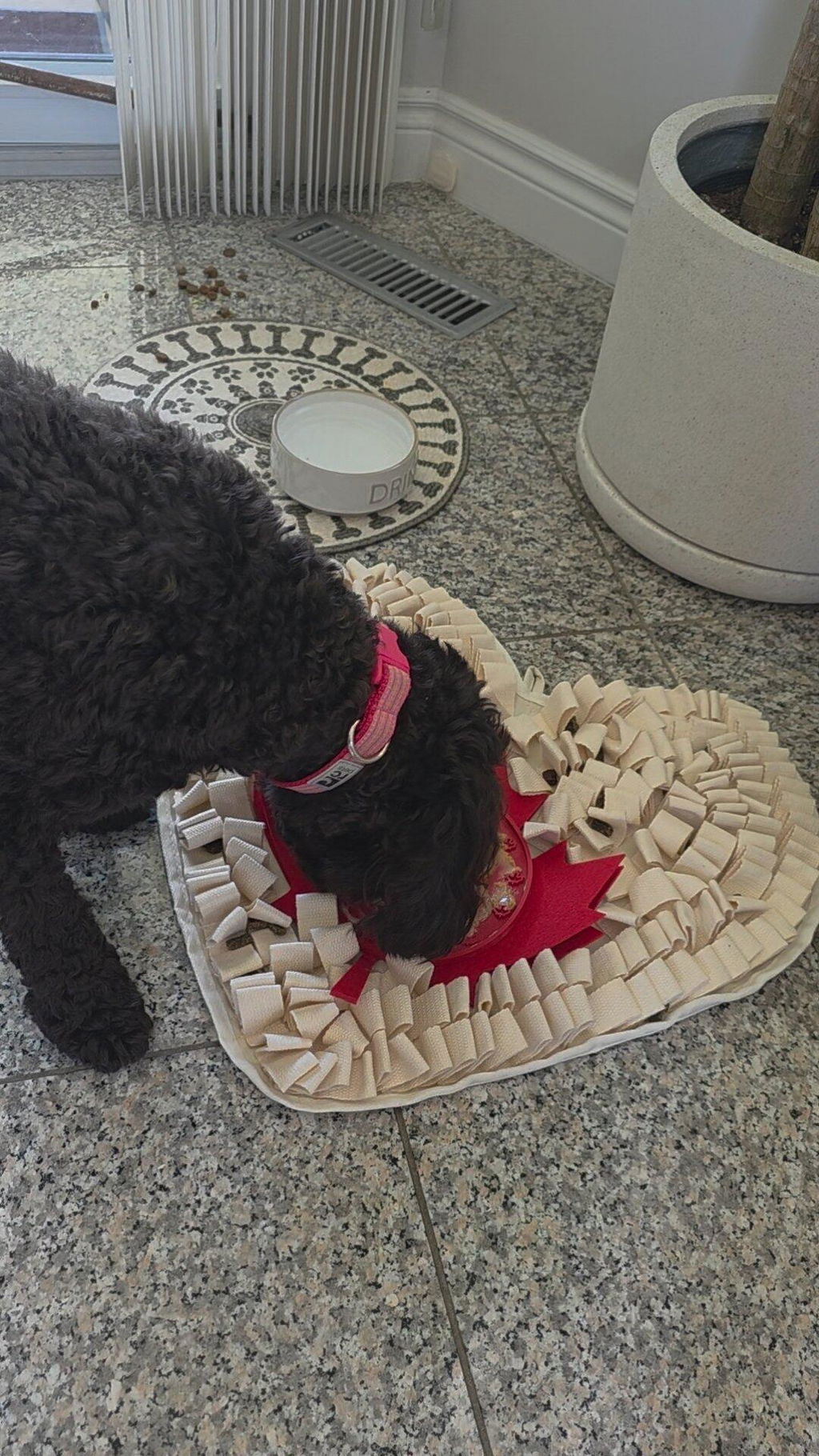
Fabric mats with folds and pockets where treats or kibble are hidden, turning mealtime into a nose-driven treasure hunt, widely considered among the best enrichment toys for dogs for beginners.
Snuffle Mats: The Ultimate Beginner-Friendly Enrichment Tool
When you start out, one of the best and most fun areas to begin is a snuffle mat for dogs.
How a Snuffle Mat Works
Place treats or kibble on the folds of the mat to encourage your dog to work on a natural instinct: the "sniffing out" instinct. Easy to fit into a dog snuffle mat routine during mealtimes, it is also great for a quiet afternoon.
Benefits of Snuffle Mats for Dogs
A good sniffing mat for dogs slows down fast eaters, gives anxious dogs something calming to focus on, and turns an ordinary meal into a satisfying mental workout, all without needing any special skills from you.
How to Select the Ideal Snuffle Mat for Your Dog
There are numerous mats available, and before purchase, it's better to know what truly matters. Here are some factors to consider when choosing the best snuffle mat for dogs.
Size Considerations (Small vs. Large Breeds)
|
Breed Size |
What to Look For |
Why It Matters |
|
Small breeds |
A compact snuffle mat for small dogs |
An oversized mat can feel overwhelming |
|
Large breeds |
A snuffle mat for large dogs with more folds and surface area |
Keeps bigger dogs engaged for longer |
Material & Durability
Check for substantial fabrics and tight sewing. No snuffle mat is truly indestructible, but PawzNDogz snuffle mats are created as truly durable snuffle mat choices, such as the Delicious Avocado™ AntiBite Snuffle Mat for powerful dogs and multi-pet families. When it's time to wash the mat, pop it inside a mesh laundry bag first; this protects the folds and stitching during the wash cycle.
Safety Tips for First-Time Use
Enrichment should always be supervised by humans, especially in the early days while you're both still learning the ropes.
- Don't be far away during the initial sessions
- If your dog begins to use the mat like a chew toy, quickly remove it and recall it when they become calmer.
- Most dogs learn to respect the mat and go up to it in a calm manner with repetition.
- Monitor use and wear over time, even for a durable mat
Dog Enrichment Mats & Puzzle Mats: What's the Difference?

The terms get used interchangeably, but there's a subtle difference between the two. Here's a quick side-by-side to clear it up.
|
Dog Enrichment Mat |
Puzzle Mat for Dogs |
|
|
What it is |
The broader category: any mat-style toy designed to engage the senses or mind |
A more structured type of dog puzzle mat, usually with removable pieces or layered compartments |
|
Main focus |
Scent, foraging, and general sensory engagement |
Problem-solving and physical manipulation |
|
Best for |
Everyday sniffing sessions and slow feeding |
Dogs who enjoy a hands-on (or paws-on) challenge |
|
Example |
Snuffle mat |
Lift-and-slide puzzle mat |
Both fall under canine enrichment toys, and both are worth having in rotation.
Simple DIY Enrichment Ideas You Can Try
You don't need to buy anything fancy to get started with enrichment activities for dogs at home. A little creativity with things you already have goes a long way.
- Hide treats around a room for a homemade scavenger hunt
- Roll up treats in a towel for your dog to unroll
- Freeze kibble into an ice cube for a slow, engaging treat on a hot day
- Pair a DIY activity with a tasty, wholesome treat, like a crunchy Yak Cheese Puff, to make the whole session even more rewarding for your pup
How to Introduce Enrichment Toys Safely (For Beginners)
Slow it down and keep sessions short; about 10 to 15 minutes for the first go. Observe closely throughout; enrichment should always be a human experience, both in safety and good connection. To encourage excitement, use your dog's treats, and if it takes a few attempts, don't be afraid to start over. It takes a lot of patience here.
Find Everything You Need at PawzNDogz
If you're looking to take some of these ideas home, PawzNDogz is here for you. This real dog, real enrichment, woman-owned company offers top-quality snuffle mats, lick mats, and treats, alongside various accessories to enhance your enrichment treats. Whether you're after something for a determined chewer, a first-time puppy mat, or a few wholesome snacks to fill it with, it's worth taking a look at what they offer.
FAQs
What is the best mental stimulation for dogs?
Not a 'one size fits all' solution; it depends on your dog. There are lots of different varieties of snuffle mats, lick mats, and various kinds of puzzle feeders available, and many different owners switch it up from time to time.
How often should I use a snuffle mat?
Generally, 10-20 minutes of snuffle mat time daily (food hidden within a snuffle mat at feeding time or as a separate activity) should be provided for dogs.
Are snuffle mats safe for puppies?
Yes, with supervision. Puppy snuffle mats are good because they use their mouth to investigate and sniff, helpful when they're short sessions, close, and remain calm when they are excited.
What's the difference between a snuffle mat and a puzzle mat?
A snuffle mat relies mainly on scent and foraging through fabric folds, while a puzzle mat typically adds a more structured challenge with compartments or removable pieces.
Conclusion
Nothing needs to be extreme for you and your dog to do something good together. Whether it's a snuffle mat, lick mat, or a simple do-it-yourself puzzle, helping your dog's brain is one of the sweetest, easiest things you can do in your dog's life, bit by bit.